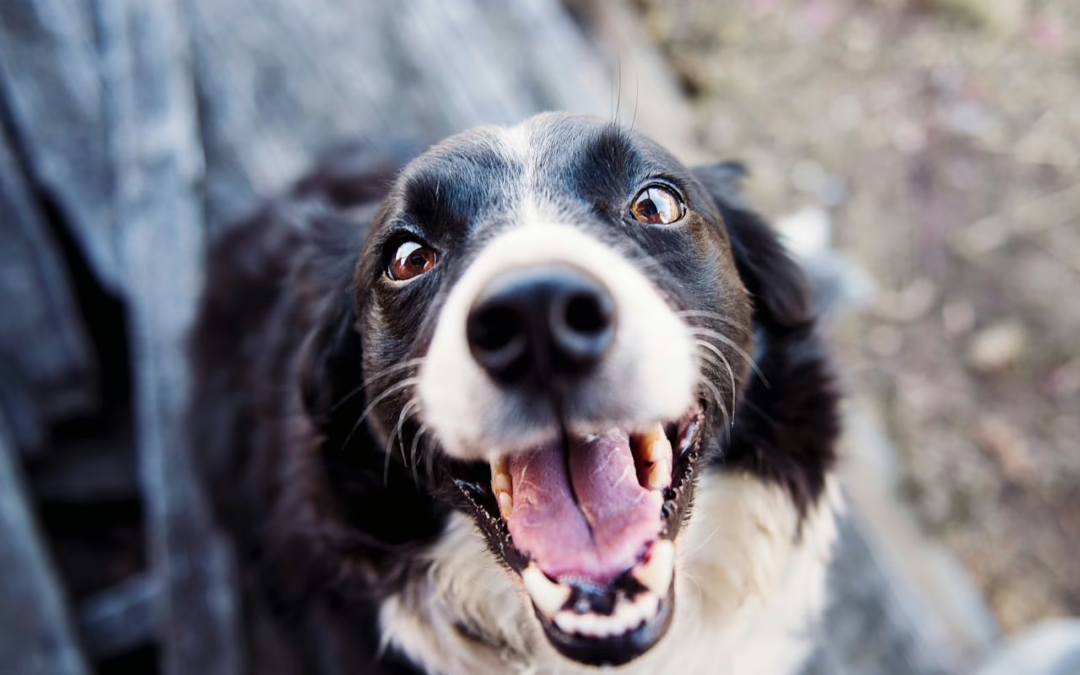
If your pup is starting to smell more “wild adventure” than “cuddly companion,” it might be time for a grooming session! Regular grooming isn’t just about keeping your dog looking fabulous (though that’s a bonus)—it’s also essential for their health and happiness. Whether you’re a DIY dog parent or considering professional services, here’s everything you need to know about grooming basics.
Why Grooming Matters More Than You Think
- Healthy Skin & Coat: Regular brushing removes dirt, dead hair, and dandruff, while distributing natural oils that keep your dog’s coat shiny and skin healthy.
- Early Health Checks: Grooming sessions help spot lumps, bumps, or skin issues early before they become serious problems.
- Better Hygiene: Clean ears, trimmed nails, and fresh breath all contribute to a healthier, happier pup (and a less stinky couch).
- Bonding Time: Grooming isn’t just maintenance—it’s quality time that strengthens the bond between you and your dog.
Dog Grooming Basics Checklist
1. Brushing
- Frequency: Daily for long-haired breeds, weekly for short-haired breeds.
- Tools: Slicker brush, bristle brush, or deshedding tool (depending on coat type).
- Pro Tip: Start brushing sessions short and sweet. Reward with treats to make it a positive experience!
2. Bathing
- Frequency: Every 4-6 weeks, or when they start to smell like last week’s adventures.
- Products: Always use dog-specific shampoos—human shampoos can dry out their skin.
- Pro Tip: Place a non-slip mat in the tub to help your pup feel secure.
3. Nail Trimming
- Frequency: Every 3-4 weeks. If you hear clicking on the floor, it’s time.
- Tools: Dog nail clippers or a nail grinder.
- Pro Tip: Clip just a little at a time to avoid cutting the quick (the sensitive part inside the nail).
4. Ear Cleaning
- Frequency: Once a week, especially for floppy-eared breeds.
- Tools: Dog ear cleaner and cotton balls (never use Q-tips).
- Pro Tip: If you notice redness, odor, or excessive scratching, consult your vet.
5. Teeth Cleaning
- Frequency: Ideally daily, but at least several times a week.
- Tools: Dog toothbrush and dog-safe toothpaste.
- Pro Tip: Introduce brushing slowly—start by letting them lick the toothpaste as a treat!
When to Call in the Pros
Sometimes, it’s best to leave it to the experts—especially for:
- Haircuts and breed-specific styling
- Heavily matted coats
- Nervous or anxious dogs that need a gentle touch
- Nail trims if you’re uncomfortable doing them
Professional groomers not only have the right tools but also the training to handle squirmy pups and tricky grooming challenges safely.
Final Woof of Advice
Whether you’re brushing at home or scheduling regular spa days, consistent grooming keeps your dog looking and feeling their best. And let’s be honest—who doesn’t love extra snuggles with a soft, clean pup?
Need a little help getting started? Contact us for a personalized grooming plan or schedule a professional session. Your dog (and your nose) will thank you!